
What is it like to create game worlds together across Japan and Malaysia? This time, we spoke with Mayo Yamamoto to hear her perspective as an environment artist at our Japan headquarters, Bandai Namco Studios. Having worked closely with the Bandai Namco Studios Malaysia team, she shares her experiences and insights into the collaboration that connects our two studios. Read on to discover her story!
PAC-MAN™& ©Bandai Namco Entertainment Inc.
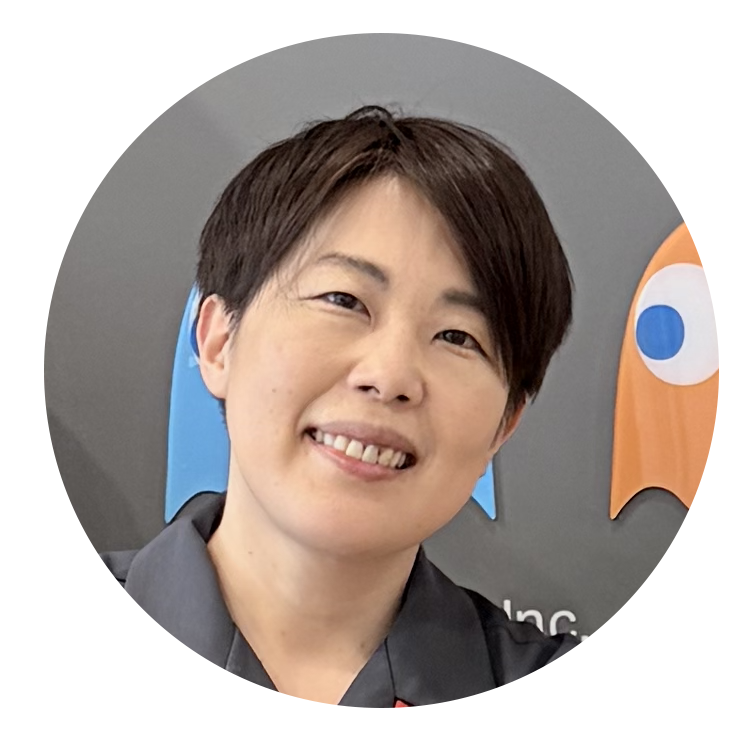
Mayo Yamamoto 山本真世
Hello everyone! I'm Mayo Yamamoto from Bandai Namco Studios (Japan). I’m happy to be interviewed by Bandai Namco Studios Malaysia! Let me briefly introduce myself.
My creative journey began in the animation industry before I moved into visual effects, where I worked as a VFX artist on a wide range of film, television, and commercial productions for both Japan and international markets. Over time, I transitioned into character art and environment art, and today I serve as the Lead of the Environment Section at Bandai Namco Studios (hereinafter BNS).
In addition to overseeing environment art productions, I work closely with the environment teams in Malaysia as well. My responsibilities include reviewing deliverables, aligning production scopes and quality standards, and supporting the professional growth of artists at Bandai Namco Studios Malaysia (hereinafter BNSMY). Through ongoing communication with our Malaysian team members, I strive to understand production challenges firsthand and foster an environment where teams across both locations can collaborate effectively and seamlessly.
Scope of Work and Collaboration Between Japan and Malaysia
How do the environment teams in BNS and BNSMY work together? Could you elaborate on the whole production process, from making the initial request details and up to the final review?
Every project begins with a meeting to align production goals, requirements, and responsibilities. An important part of this process is clearly defining which decisions can be made independently by the Malaysia team and which require consultation with the Japan team.
As for production reviews, I initially handle them based on each team member’s level of proficiency. Once team members become capable of working independently, they communicate directly with the leads at BNS and the client, advancing production through ongoing discussions, proposals, and feedback exchanges. Final approval is ultimately provided by the Bandai Namco Studios leads and the client.
Depending on the project, the Malaysia team may take ownership not only of individual assets but also of larger environment segments that include layout, collision planning, and required gameplay elements. By regularly reviewing progress and direction, we ensure the appropriate level of detail and quality is achieved at every stage.
Could you explain the responsibilities of the BNSMY team throughout the production workflow? Also, at what stages are artists able to propose their own ideas and incorporate them into production?
The Malaysia team contributes far beyond asset creation. On some projects, they are involved in broader environment development, including layouts, collision planning, and fulfilling gameplay requirements.
Artists have opportunities to express their ideas during each stage. However, encouraging creativity requires clearly defining the degree of freedom available to them. We make a conscious effort to communicate which areas are open for independent decision-making and which require consultation. Creating this clarity helps artists feel confident in sharing ideas and actively contributing to the creative process.
Can you share an example of a creative or technical challenge solved through collaboration between both teams?
In one instance, the Malaysian artists collaborated with the BNS environment lead and art team to adjust the design, ensuring that both the attractiveness of the environment visuals and the clarity and play feel during gameplay were effectively balanced.
Environment art in games is much more than just creating beautiful visuals. It must also support visibility, navigation, and overall playability. Together, we reviewed the environments from the player's perspective, exchanged feedback, and continuously refined the designs.
What I find especially enjoyable about this collaboration is how artists contribute directly to shaping the gameplay experience. The Malaysia team often brings fresh perspectives and design ideas that Japanese artists might not naturally arrive at, making the creative process richer and more dynamic.
How do you communicate artistic direction and feedback across language differences? When it is challenging to communicate concepts through words alone, how do you ensure that everyone shares the same understanding?
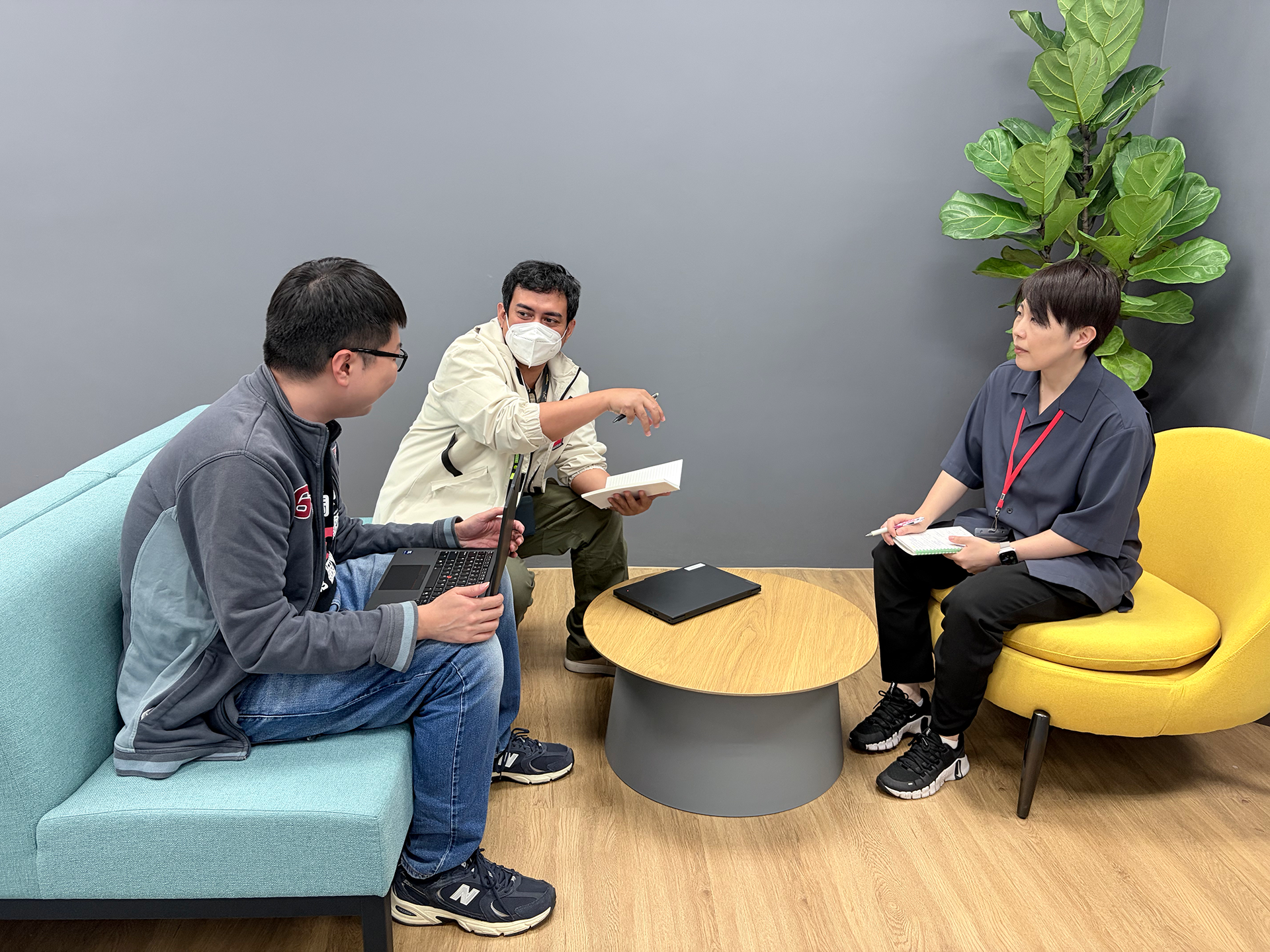
To minimize the impact of language barriers and physical distance, we frequently use Slack Huddles for quick five-to-ten-minute meetings to create that casual and approachable feel, as if consulting a colleague sitting nearby.
When words alone are not enough, we share our screens and provide visual explanations by drawing directly onto work-in-progress assets. This helps ensure that both sides have a shared understanding of feedback and expectations.
These short but frequent communications have proven extremely effective in preventing larger misunderstandings and design discrepancies later in the production process.
BNSMY Through the Eyes of the Japan Team
Having worked with BNSMY, what strengths stand out about the Malaysia environment team? Could you also share a specific example or episode?
One of the Malaysia team's greatest strengths is their continuous expansion of capabilities through collaboration.
In one of the projects, team members went beyond creating individual assets and gained experience handling environment production that included layouts, collision plannings, and fulfilling gameplay requirements. Another successful initiative involved assigning cross-functional responsibilities related to debugging and collision planning.
As the team continues building these capabilities, I believe BNSMY will be able to independently handle portions of the work currently managed by BNS. This would significantly reduce production workloads while strengthening the overall development capabilities of both locations.
Has your impression of BNSMY changed since you began working together?
Initially, I assumed that because many team members in the Malaysia team had primarily worked on mass production tasks, they might be comfortable following instructions but less experienced with independent design thinking or making creative proposals. I also had concerns about whether they could take responsibility for environment layouts that considered the player's experience and gameplay flow.
However, working together changed my perspective. I saw team members actively consulting with the game designers and BNS leads, thoughtfully adjusting designs to improve clarity and gameplay quality. That experience showed me how much artists can grow when they are given the right opportunities, experience, and understanding of the reasoning behind decisions.
At the same time, I learned that encouraging proactive ideas requires us to create the right environment. Clearly defining decision-making authority and making it easy for people to seek guidance or take on new challenges are both essential.
How do you share technical expertise, knowledge, and quality standards across both teams?
Traditionally, we communicated quality expectations through specifications documented in project briefs. Today, we are taking a step further.
Rather than relying solely on detailed instructions, we encourage BNSMY to understand the intent behind each project and determine the most appropriate artistic approach independently.
For example, artists may explore topics such as how weathering should appear on props or how to balance realism and stylization. We ask them not only to propose solutions to BNS but also to explain the reasoning behind their choices.
Our goal is not simply to meet predefined requirements, but to empower them to define and justify quality standards that meet BNS’ standards.
What kind of experience, mindset, and approach to work do you think are important for succeeding as a Principal Environment Artist (locally hired Japanese employee)?
Strong experience in environment art is essential, but equally important is the ability to evaluate project-appropriate visual styles and quality standards, and to clearly explain the reasoning behind those decisions. A successful Principal Artist should be able to lead by example through hands-on production while elevating the team's artistic and technical capabilities through reviews and mentorship.
The role also requires an understanding of the Japan team’s production expectations and quality standards, combined with the ability to communicate effectively with the Malaysia team members and translate those expectations into practical workflows. Professionals who can support teams in identifying the best design solutions for a project and confidently proposing them, even without detailed instructions, will thrive in this position.
From your point of view, being a BNS artist who has been collaborating with BNSMY, how would having a Japan-native Principal Artist based in Malaysia benefit collaboration between the two locations?
Although BNS and BNSMY collaborate online every day, on-site challenges and day-to-day concerns do not always reach the Japan team. Some issues are especially difficult to identify unless you are directly involved in development on the ground.
While environment artists from the Japan team can visit Malaysia and gather feedback in person, it is not practical for them to remain on-site for extended periods. This is where a locally based Principal Artist can create significant value. By working alongside the team every day, they can communicate artistic direction, conduct reviews, support talent development, and identify potential issues early before escalating them to the Japan team.
I believe that having someone consistently present who understands the intentions and circumstances of both sides and can translate that understanding into concrete decisions and improvements will help bridge the gap between BNS and BNSMY.
Closing Message
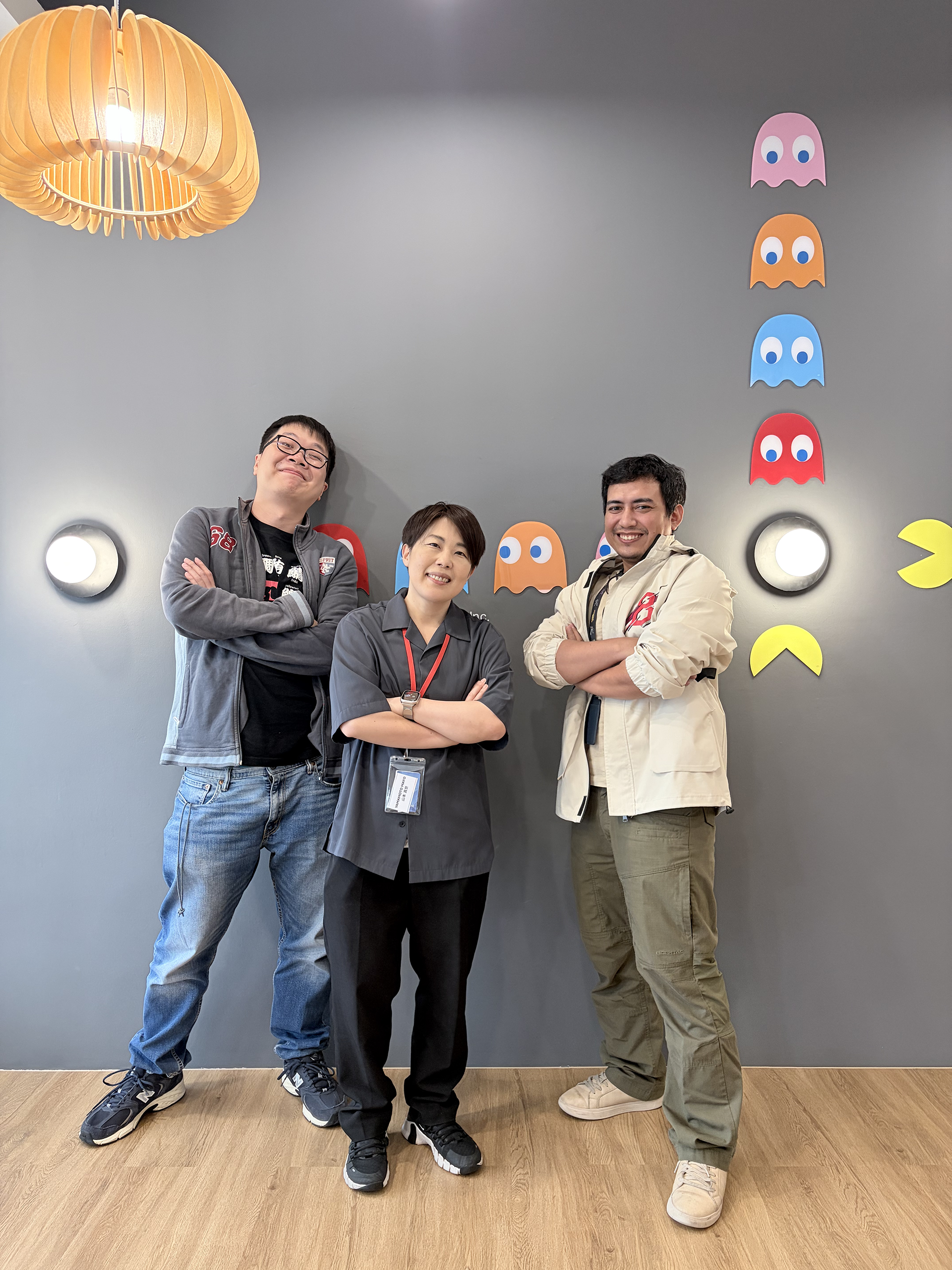
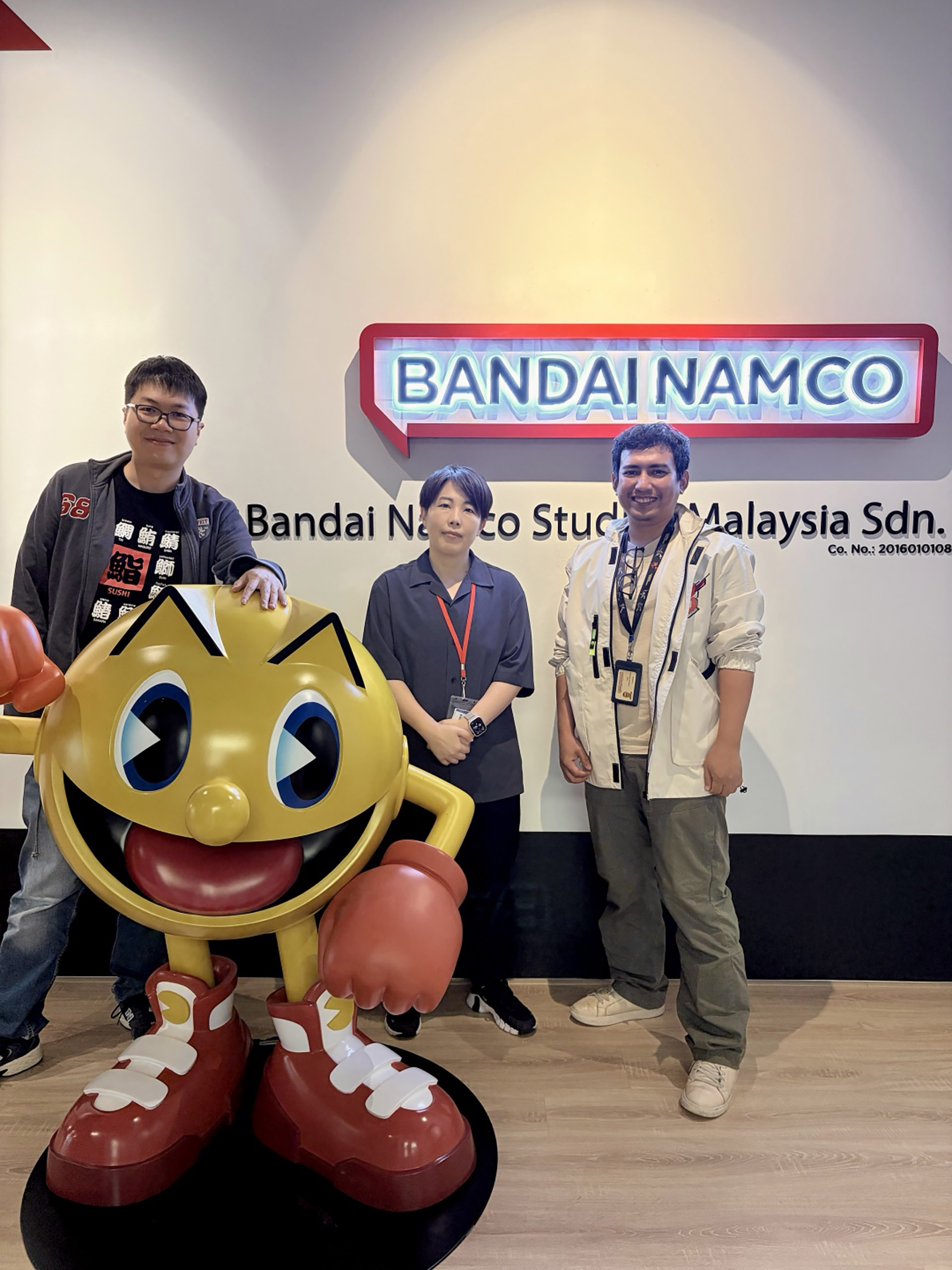
PAC-MAN™& ©Bandai Namco Entertainment Inc.
What would you like to say to Japanese artists who are interested in BNSMY but hesitant to take the next step?
For artists who are interested in living and working overseas, this is an incredibly exciting opportunity.
Malaysia is a welcoming country with a well-established Japanese community, making it a comfortable and accessible destination for Japanese professionals. For those who have already experienced working or living abroad, it can be an ideal place to further develop and apply those experiences.
What we are looking for are professionals who bring not only artistic expertise but also an understanding of Japanese work culture and production practices, while remaining open to learning about Malaysian culture and collaborating closely with the Malaysia team.
If you are ready to apply the skills and experience you have built throughout your career while creating games alongside talented colleagues in Malaysia, we encourage you to take on this exciting challenge and help shape the future of game development together.